
Introduction
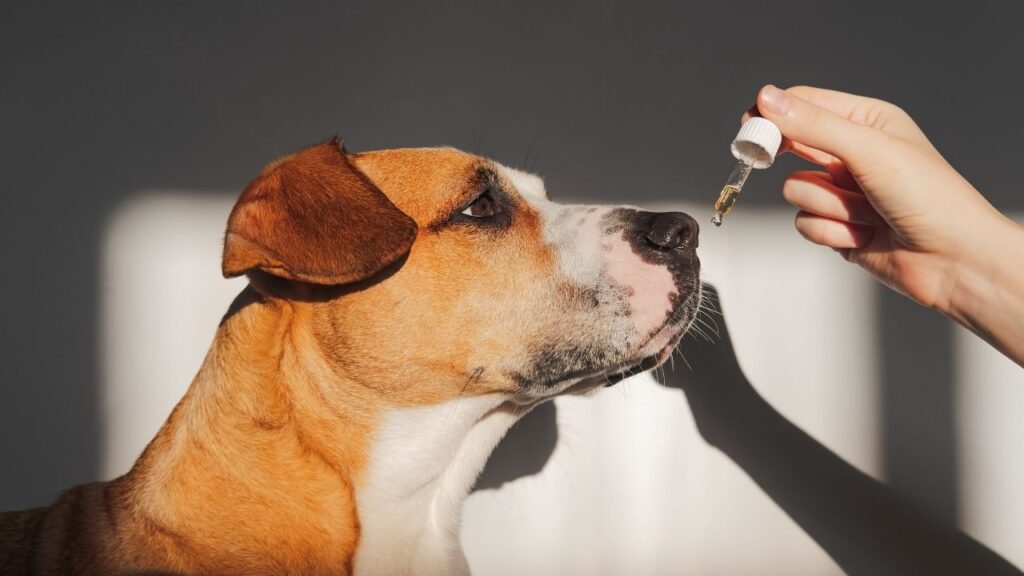
As dogs age, it’s heartbreaking to watch them slow down — struggling to climb stairs, hesitating before jumping into the car, or limping after a short walk. These are often signs of joint pain, inflammation, or arthritis, especially in older breeds or active dogs. Many pet owners are now turning to CBD oil as a natural solution to improve their dog’s mobility and joint health.
But how exactly does it work? And is it safe? Let’s explore what science and experience have to say.
Understanding Joint Problems in Dogs
Joint issues in dogs are more common than most people think. Conditions like osteoarthritis, hip dysplasia, and joint inflammation can affect dogs of all ages, though they’re more prevalent in senior and large-breed dogs.
Symptoms often include:
- Stiffness or limping, especially after rest
- Reluctance to run, jump, or climb stairs
- Whining or showing discomfort when moving
- Difficulty standing up or lying down
Traditional veterinary treatments often include anti-inflammatory medications, pain relievers, or surgery. While effective, these solutions can have side effects or become less effective over time — which is why many pet parents are exploring natural options like CBD oil.
What Is CBD and How Does It Work for Dogs?
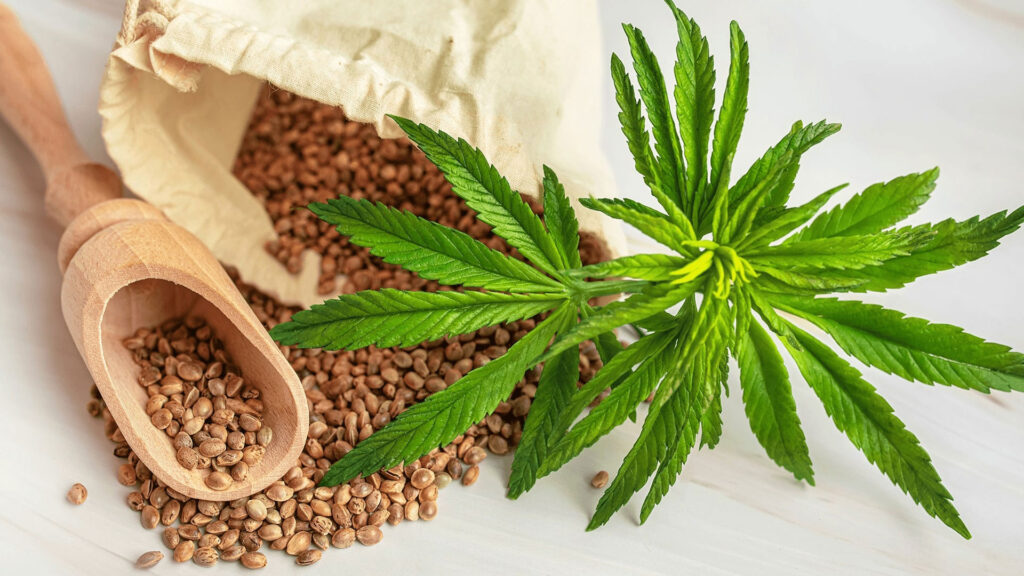
CBD (cannabidiol) is a natural compound derived from the hemp plant. Unlike THC (the psychoactive compound in cannabis), CBD does not make your dog high. Instead, it interacts with your dog’s endocannabinoid system (ECS) — a network of receptors that helps regulate pain, inflammation, mood, and overall homeostasis.
The ECS is present in both humans and animals, including dogs. When CBD interacts with these receptors (mainly CB1 and CB2), it helps reduce inflammation and pain signals in the body, promoting smoother movement and less discomfort in the joints.
How CBD Helps Improve Mobility and Joint Health
Here’s how CBD supports your dog’s mobility naturally:
1. Reduces Inflammation
Inflammation is one of the main causes of stiffness and pain in dogs with joint issues. CBD has anti-inflammatory properties that help reduce swelling around the joints, improving flexibility and comfort.
2. Relieves Pain Naturally
CBD works by interacting with pain receptors in the nervous system, helping to reduce pain perception. This makes it easier for your dog to move freely without relying heavily on painkillers.
3. Supports Cartilage Health
Some studies suggest that CBD may help slow cartilage breakdown by reducing oxidative stress. This can help maintain joint structure and support long-term mobility, especially in aging dogs.
4. Promotes Relaxation and Better Sleep
Chronic pain often causes stress and restlessness. CBD has calming effects that help your dog sleep better and stay relaxed, allowing the body to recover and heal naturally.
Scientific Evidence Supporting CBD for Dogs
While research on CBD and pets is still growing, early studies and anecdotal evidence are promising.
- A 2018 study by Cornell University found that dogs given CBD oil twice daily showed significant improvement in pain relief and mobility compared to those given a placebo.
- Another 2020 study published in the Journal of Pain concluded that CBD might be effective for reducing inflammation and improving quality of life in arthritic dogs.
Veterinarians are increasingly recognizing CBD as a complementary therapy alongside traditional treatments, especially for dogs with chronic pain or joint degeneration.
Choosing the Right CBD Product for Your Dog
Not all CBD products are created equal. To ensure your dog gets the maximum benefits, keep these points in mind:
1. Look for Full-Spectrum or Broad-Spectrum CBD
Full-spectrum CBD includes other cannabinoids and terpenes that enhance its therapeutic effects — a phenomenon known as the entourage effect. Broad-spectrum products offer similar benefits without THC.
2. Check for Third-Party Lab Testing
Always choose products that provide independent lab results verifying the purity, potency, and safety of the CBD. This ensures your dog isn’t exposed to harmful additives or contaminants.
3. Choose Pet-Specific Formulas
CBD products made for humans may contain ingredients unsafe for dogs (like xylitol or certain essential oils). Look for CBD oils or treats specifically formulated for pets.
4. Start with a Low Dose
Begin with a low dosage (around 0.2–0.5 mg of CBD per kg of body weight) and gradually increase it while monitoring your dog’s behavior and comfort level.
How to Give CBD to Your Dog
CBD can be given in several ways:
- CBD Oil Drops: Most effective and easy to dose. You can mix it into food or apply it directly under the tongue.
- CBD Treats: A tasty, convenient way to ensure your dog gets their daily dose.
- Topical Creams: Ideal for localized joint pain or swelling.
Whichever form you choose, consistency is key. It may take a few days to a couple of weeks before you notice significant improvement in your dog’s mobility.
Are There Any Side Effects?
CBD is generally well-tolerated in dogs and considered safe when used in appropriate doses. However, just like with any supplement or medication, some dogs may experience mild and temporary side effects as their bodies adjust to it.
Common side effects may include:
- Drowsiness: CBD’s calming properties can sometimes make your dog a bit sleepy, especially if given in higher doses or if your pet is already naturally low-energy.
- Dry mouth: CBD may temporarily reduce saliva production, which could make your dog thirstier than usual. Always ensure fresh water is available.
- Temporary drop in blood pressure: In rare cases, CBD can cause a small dip in blood pressure, leading to mild lightheadedness or lethargy. This effect is typically short-lived and subsides as the body adapts.
While these side effects are generally mild, it’s important to monitor your pet after the first few doses. Every dog’s system is unique — factors like age, size, metabolism, and overall health can influence how they respond to CBD.
If your dog is already on prescription medications, it’s best to consult your veterinarian before introducing CBD. CBD can alter how certain drugs are metabolized in the liver, potentially affecting their potency or duration. Your vet can guide you on safe dosage adjustments or timing between medications and CBD to avoid any unwanted interactions.
By starting with a low dose, watching for changes in behavior, and seeking veterinary advice when needed, you can make CBD a safe and beneficial part of your dog’s wellness routine.
CBD vs. Traditional Pain Relief
Traditional medications such as NSAIDs (non-steroidal anti-inflammatory drugs) are often prescribed to manage pain and inflammation in dogs, especially those suffering from arthritis or joint problems. While they can be highly effective for short-term relief, prolonged use can take a toll on your pet’s body — particularly the liver, kidneys, and digestive system. Over time, these drugs may cause side effects like gastrointestinal irritation, ulcers, or even organ strain, which can become serious if not carefully monitored.
This is where CBD offers a gentler, natural alternative. Unlike NSAIDs, CBD is non-toxic and well-tolerated by most dogs when used correctly. It interacts with the body’s endocannabinoid system (ECS) — a network of receptors that helps regulate pain, inflammation, and mobility. Instead of suppressing symptoms artificially, CBD supports the body’s own ability to restore balance, providing relief without the harsh side effects often seen with pharmaceuticals.
Many pet owners choose to use CBD alongside veterinary treatment, rather than replacing it entirely. When used as a supplementary therapy, CBD may help reduce a dog’s dependence on prescription medications while promoting a better quality of life. Pet parents often report that their dogs seem more comfortable, active, and relaxed — enjoying daily walks and playtime again without stiffness or pain.
As always, it’s best to consult your veterinarian before making any changes to your pet’s treatment plan. With professional guidance, CBD can be a safe and effective addition to your dog’s wellness routine — offering natural relief that supports both body and mind.
Real-Life Stories: How CBD Changed Dogs’ Lives
Thousands of pet owners have shared inspiring stories about how CBD has helped their dogs regain comfort and vitality. After consistent use, many notice their pets moving more easily — climbing stairs, jumping onto the couch, or enjoying longer walks without hesitation. The reduction in stiffness and joint discomfort often translates into a more active, joyful demeanor that owners haven’t seen in years.
For senior dogs, the change can be especially heartwarming. Aging often brings mobility challenges, making once-loved activities like running or playing tug-of-war painful or exhausting. But with CBD’s natural anti-inflammatory and pain-relieving properties, many older pets find renewed energy and enthusiasm. Pet parents often describe their companions as “acting like puppies again” — more eager to explore, socialize, and move freely.
The beauty of CBD lies in its gentle, holistic support. Instead of masking pain or relying on harsh chemicals, it works with the body’s natural systems to restore balance and reduce inflammation. Over time, this can lead to lasting improvements in mobility, comfort, and overall well-being — allowing your dog to enjoy a fuller, more active life at any age.
Also Read: CBD and Skin Allergies in Dogs: Can It Reduce Itching?
Final Thoughts
If your furry friend is showing signs of joint pain or reduced mobility, CBD might be the natural solution you’ve been searching for. While it’s not a cure-all, its anti-inflammatory, pain-relieving, and calming effects can make a significant difference in your dog’s quality of life.
Always consult your vet, choose a high-quality product, and monitor your pet’s response closely. With the right care, CBD can help your dog move freely, stay active, and enjoy life without discomfort.