
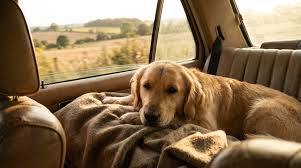
Traveling with a dog can be an exciting experience, but changes in routine, unfamiliar surroundings, long car rides, crowded places, or air travel can sometimes be challenging for pets. Because of this, some pet owners explore CBD for dogs during travel as a possible addition to their pet’s wellness routine.
CBD, or cannabidiol, is a compound derived from hemp. Unlike THC, CBD is not intended to produce an intoxicating effect. CBD products for dogs are available in forms such as oils, chews, and treats.
However, using CBD while traveling with a dog requires more thought than simply packing a bottle of CBD oil. Pet owners should consider their dog’s health, existing medications, product quality, dosage guidance, transportation rules, and how the dog responds to CBD before traveling.
This guide explains what pet owners should consider when thinking about CBD for dogs during travel.
Why Do Pet Owners Consider CBD for Dogs During Travel?
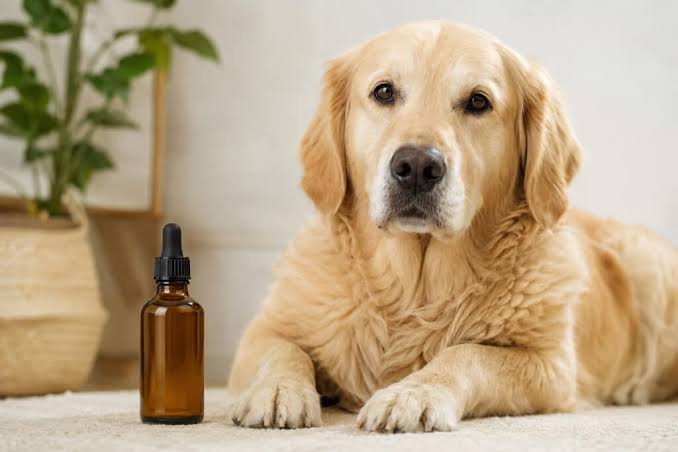
Travel can introduce several changes to a dog’s normal environment.
For example, a dog may experience:
- Long periods in a car
- New sounds and smells
- Unfamiliar people or animals
- Changes in feeding and sleeping routines
- New accommodation
- Crowded transportation areas
- Changes in the usual daily schedule
Some pet owners therefore look for ways to support their dog’s comfort during these changes.
CBD has attracted attention in pet wellness because of research into the endocannabinoid system and cannabinoids. However, research specifically examining CBD’s effectiveness for travel-related stress in dogs remains limited.
This means CBD should not be viewed as a guaranteed solution for travel-related problems.
What Is CBD for Dogs?
CBD is a naturally occurring cannabinoid found in hemp and cannabis plants.
Products marketed for dogs may contain CBD in different forms, including:
1. CBD Oil
CBD oil is usually administered directly into a dog’s mouth or mixed with food, depending on the product’s instructions and veterinary guidance.
2. CBD Chews
CBD chews are formulated as pet treats and may be easier for some owners to administer.
3. CBD Capsules
Some pet products contain CBD in capsule form. These may provide a measured amount but can be less convenient for dogs that do not readily swallow capsules.
Regardless of the format, pet owners should check the product’s ingredients, CBD concentration, and testing information.
Can CBD Help Dogs During Travel?
This is one of the most important questions for pet owners.
Research into CBD for dogs is still developing. Some studies have investigated CBD in dogs for specific areas of interest, but there is not enough evidence to conclude that CBD reliably prevents or treats travel-related anxiety, motion sickness, or other travel problems.
Dogs can also respond differently to the same product.
If you are considering CBD for dogs during travel, it is better to discuss it with your veterinarian before the trip rather than experimenting with a new product on travel day.
Should You Give Your Dog CBD for the First Time Before Traveling?
Introducing a new product immediately before a trip may not be the best approach.
If your veterinarian agrees that CBD is appropriate for your dog, it can be useful to understand how your pet responds before traveling.
A new product may produce unexpected effects, and you want to know how your dog reacts before combining it with the stress of a journey.
Your veterinarian can also help you understand whether CBD is appropriate given your dog’s age, health, medications, and individual circumstances.
Choosing a CBD Product for Your Dog
Not all CBD products are the same.
When selecting a product for your dog, look for clear information about:
- CBD concentration
- Ingredients
- Serving recommendations
- THC content
- Batch information
- Manufacturing details
- Third-party laboratory testing
A product with transparent labeling can make it easier to understand exactly what you are giving your pet.
Check the Certificate of Analysis
A Certificate of Analysis (COA) is a laboratory report showing the results of testing for a particular product or batch.
Depending on the testing laboratory, a COA may provide information about cannabinoid levels and other quality measures.
Checking the COA can help pet owners verify the product’s cannabinoid profile rather than relying only on marketing claims.
Why THC Content Matters for Dogs
CBD and THC are different cannabinoids.
THC is intoxicating and can be harmful to dogs. Products intended for pets should therefore be evaluated carefully for THC content.
Even when a product is marketed as CBD, it is important to check its laboratory testing information and ingredients.
If you are specifically looking for a product with little or no THC, review the product’s COA and manufacturer information carefully.
CBD for Dogs During Car Travel
Car journeys can involve several potential challenges for dogs.
Some dogs may become uncomfortable during long drives, while others may struggle with unfamiliar movement, noise, or changes in their surroundings.
Before relying on CBD, consider basic travel preparations such as:
- Using a secure dog harness or travel crate
- Taking regular breaks on long journeys
- Keeping water available
- Maintaining a comfortable temperature
- Bringing familiar bedding or toys
- Avoiding heavy meals immediately before travel if your veterinarian recommends otherwise
- Maintaining a familiar routine where possible
These measures can make the journey more comfortable and predictable.
If your dog becomes extremely distressed during car travel or experiences repeated vomiting or other symptoms, speak with a veterinarian about appropriate travel management.
CBD for Dogs During Air Travel
Air travel requires additional planning.
Airlines and transportation authorities can have specific rules regarding pets, medications, supplements, and CBD or hemp-derived products. Rules can also vary depending on the destination and whether you are traveling domestically or internationally.
Before flying, check:
- Airline pet policies
- Destination regulations
- Transit-country requirements
- Documentation requirements
- Rules concerning CBD and hemp products
Do not assume that because CBD is available where you live, it is automatically permitted at your destination.
If you are traveling internationally, regulations can be particularly important because different countries may have different rules concerning cannabis-derived and hemp-derived products.
CBD for Dogs and Motion Sickness
Motion sickness is another issue that can affect dogs during travel.
Signs may include:
- Excessive drooling
- Lip licking
- Whining
- Restlessness
- Vomiting
- Reduced appetite
CBD has not been established as a standard treatment for motion sickness in dogs.
If your dog regularly experiences motion sickness, talk to your veterinarian about evidence-based options. Your veterinarian can help identify whether motion sickness, anxiety, or another issue is contributing to the problem.
How Much CBD Should a Dog Take While Traveling?
There is no universally appropriate CBD amount for every dog.
The appropriate amount can depend on factors such as:
- Body size
- Product concentration
- Health status
- Other medications
- Individual response
- The reason for using the product
Pet owners should not calculate a dose simply by comparing their dog’s size with another animal’s dosage.
If your veterinarian recommends CBD, follow their guidance and the product’s specific instructions.
Avoid assuming that a larger amount will provide a stronger or better effect.
CBD and Your Dog’s Existing Medications
This is particularly important for traveling pets.
Dogs may already take medication for ongoing health conditions, and CBD may interact with some medicines.
Before adding CBD to your dog’s routine, tell your veterinarian about all medications, supplements, and other products your dog uses.
Your veterinarian can help determine whether there are potential interactions or reasons to avoid CBD.
Possible Side Effects of CBD in Dogs
CBD may cause side effects in some dogs.
Reported or potential effects can include:
- Drowsiness
- Changes in appetite
- Diarrhea
- Vomiting
- Changes in behavior or activity
- Other gastrointestinal effects
Individual responses can vary.
If your dog develops unusual or concerning symptoms after receiving CBD, contact a veterinarian.
During travel, it can be especially important to monitor your dog because changes in behavior or appetite can otherwise be mistaken for normal travel stress.
Should You Give CBD to a Dog That Has Never Used It Before?
Introducing CBD for the first time immediately before a long journey can make it difficult to determine how your dog responds.
If you are considering CBD, discuss it with your veterinarian before the trip.
If your veterinarian recommends trying it, following their instructions and observing your dog beforehand may provide a better understanding of how your pet responds.
Travel day is generally not the ideal time to discover that your dog does not tolerate a new product well.
What Should You Pack When Traveling With CBD for Your Dog?
If CBD is part of your veterinarian-approved pet routine, organize it along with your dog’s other essentials.
Consider packing:
- The original CBD product packaging
- Product instructions
- Your veterinarian’s contact information
- Any relevant medication
- Food and water
- A familiar blanket or toy
- Your dog’s health and vaccination records when required
- A secure travel carrier or harness
Keeping the product in its original packaging can make it easier to identify its contents and dosage information.
For air travel or international travel, check whether additional documentation is required.
How Should CBD Oil Be Stored During Travel?
Proper storage can help maintain product quality.
Follow the manufacturer’s storage instructions. Many CBD oils should be kept away from excessive heat, direct sunlight, and moisture.
When traveling:
- Keep the bottle securely closed
- Avoid leaving it in a hot car
- Protect it from direct sunlight
- Store it away from your dog’s unsupervised access
- Follow the product’s recommended storage temperature
Do not leave CBD products where your dog could accidentally consume the entire bottle or container.
CBD for Dogs During Road Trips: Practical Tips
A successful road trip involves more than deciding whether to use CBD.
1. Keep the Routine Familiar
Try to maintain your dog’s usual feeding, walking, and sleeping schedule as much as possible.
2. Take Breaks
On longer journeys, regular stops can allow your dog to stretch, drink water, and relieve itself.
3. Bring Familiar Items
A favorite blanket, toy, or bed can provide a familiar smell in an unfamiliar environment.
4. Keep Your Dog Secure
Use an appropriate harness, carrier, or crate rather than allowing your dog to move freely around the vehicle.
5. Monitor Your Dog
Watch for signs of discomfort, excessive stress, vomiting, unusual sleepiness, or other changes.
If something seems abnormal, seek veterinary advice.
CBD for Dogs During Hotel or Accommodation Stays
Arriving at a new place can be another adjustment for your pet.
Before using CBD, create a comfortable space with familiar items such as your dog’s bedding, toys, and usual food.
Try to maintain familiar routines and give your dog time to adjust.
If your dog has significant behavioral problems in unfamiliar environments, discuss them with a veterinarian before the trip. CBD may not address the underlying reason for the behavior.
What If Your Dog Accidentally Consumes Too Much CBD?
Accidental ingestion should be taken seriously.
If your dog consumes more CBD than intended, contact your veterinarian or an appropriate animal poison service for guidance.
Keep the product packaging available so you can provide information about:
- Product name
- CBD concentration
- Ingredients
- THC content
- Approximate amount consumed
- Time of ingestion
If the product contains THC or other potentially harmful ingredients, tell the veterinary professional.
Common Mistakes Pet Owners Should Avoid
1. Starting CBD on Travel Day
Your dog may react differently to a new product, making travel more difficult.
2. Ignoring Product Quality
Do not choose a CBD product solely because of attractive packaging or marketing claims.
3. Assuming CBD Products Are Interchangeable
Different products can have different concentrations and ingredients.
4. Forgetting About THC
Always check the product’s cannabinoid information, especially when traveling.
5. Ignoring Medication Interactions
Tell your veterinarian about any medications or supplements your dog takes.
6. Assuming CBD Will Solve Travel Anxiety
Travel-related behavior can have many causes. CBD has not been established as a guaranteed solution for travel stress.
How to Prepare Your Dog for Travel Without Relying on CBD
CBD is only one thing some pet owners consider. There are several practical ways to prepare a dog for travel.
Start by making the carrier, crate, or car environment familiar before the journey.
For road trips, short practice drives may help some dogs become accustomed to traveling.
You can also maintain familiar feeding and walking routines and bring items that smell like home.
For dogs that experience severe anxiety, motion sickness, or other recurring travel problems, professional veterinary guidance can help identify appropriate options.
When Should You Speak With a Veterinarian?
Veterinary advice is particularly important if your dog:
- Takes regular medication
- Has an ongoing medical condition
- Is elderly
- Is pregnant or nursing
- Has previously reacted badly to supplements
- Experiences severe travel anxiety
- Frequently vomits during travel
- Shows unusual symptoms after using CBD
A veterinarian can assess your dog’s individual circumstances and help you decide whether CBD is appropriate.
Also Read: What Is CBD Oil Made From? Understanding the Ingredients
Final Thoughts
CBD for dogs during travel is a topic that deserves careful consideration rather than a one-size-fits-all approach.
Some pet owners explore CBD as part of their dog’s wellness routine, but research into its use for travel-related stress and other travel concerns is still developing. CBD is not a guaranteed treatment for anxiety, motion sickness, or other travel-related problems.
If you are considering CBD for your dog, start by speaking with your veterinarian. Pay attention to product quality, CBD concentration, THC content, possible medication interactions, and your dog’s individual response.
Most importantly, combine any veterinarian-approved approach with practical travel preparation. A secure travel setup, familiar routine, regular breaks, comfortable surroundings, and careful observation can all help make the journey easier for you and your dog.