

Introduction
Arthritis is a common and often debilitating condition affecting many dogs, particularly as they age. It causes joint inflammation, pain, stiffness, and reduced mobility, significantly impacting a pet’s quality of life. In recent years, cannabidiol (CBD), a natural compound derived from the hemp plant, has emerged as a promising alternative treatment for managing arthritis in dogs. But does it really help? This blog explores the science, benefits, and considerations of using CBD for dogs with arthritis to help you make an informed decision.
Understanding Canine Arthritis
Canine arthritis, also known as osteoarthritis or degenerative joint disease, occurs when the protective cartilage that cushions a dog’s joints wears down over time. This leads to painful bone-on-bone contact, swelling, and inflammation. While arthritis is most prevalent in senior dogs, it can also affect younger dogs due to genetics, injuries, or obesity.
Common Signs of Arthritis in Dogs:
- Limping or lameness
- Difficulty standing or sitting
- Reluctance to run, jump, or climb stairs
- Stiffness, especially after rest
- Whining or signs of discomfort
- Decreased activity or lethargy
If you notice these symptoms, a visit to your veterinarian is essential for diagnosis and treatment planning.
What Is CBD?
Cannabidiol (CBD) is one of over a hundred naturally occurring compounds known as cannabinoids found in the Cannabis sativa plant. Among these compounds, CBD and tetrahydrocannabinol (THC) are the most extensively studied due to their distinct biological effects. Unlike THC, which is psychoactive and responsible for the “high” commonly associated with cannabis use, CBD is non-psychoactive. This means it does not produce mind-altering effects or impair cognitive function, making it a more suitable option for therapeutic applications—particularly in pets and individuals sensitive to THC.
CBD exerts its influence primarily through interaction with the endocannabinoid system (ECS), a complex cell-signaling network present in both humans and animals. The ECS plays a crucial role in maintaining internal balance, or homeostasis, by regulating several physiological processes. These include pain perception, inflammation, mood regulation, appetite, immune system response, and even sleep cycles. By modulating receptors such as CB1 and CB2—located in the central nervous system and peripheral tissues respectively—CBD helps support optimal functioning of the body.
This ability to promote equilibrium without intoxication has made CBD an attractive natural remedy for a variety of health concerns in both people and animals. In veterinary contexts, CBD is increasingly used to address issues such as anxiety, chronic pain, arthritis, and inflammatory conditions, particularly in dogs and cats. As research continues to expand, the therapeutic potential of CBD is being recognized across a broad spectrum of wellness applications.
How CBD May Help Dogs with Arthritis
1. Pain Relief
CBD may help alleviate the chronic pain associated with arthritis by interacting with cannabinoid receptors in the nervous system. Studies suggest that CBD influences how the brain processes pain signals, potentially leading to reduced discomfort in arthritic dogs.
2. Anti-Inflammatory Effects
Arthritis is fundamentally an inflammatory condition. One of the most widely recognized benefits of CBD is its anti-inflammatory properties. By modulating the body’s immune response, CBD may reduce joint inflammation and swelling, improving your dog’s comfort and mobility.
3. Improved Mobility and Quality of Life
With reduced pain and inflammation, many dogs experience greater ease in movement. Pet owners have reported their dogs becoming more active, playful, and willing to engage in daily activities after consistent use of CBD.
4. Fewer Side Effects Than Conventional Medications
Traditional treatments for canine arthritis often include nonsteroidal anti-inflammatory drugs (NSAIDs), which can cause side effects such as gastrointestinal upset, liver damage, or kidney issues over time. CBD is generally considered to have a more favorable safety profile when used appropriately.
Scientific Evidence and Veterinary Perspectives
Although research on CBD for dogs is still in its early stages, the available studies are encouraging:
- A 2018 study conducted by Cornell University found that dogs with osteoarthritis showed a significant decrease in pain and increased activity after receiving CBD oil twice daily.
- A 2020 study published in Frontiers in Veterinary Science noted similar results and highlighted CBD’s potential as an adjunct to traditional arthritis treatment.
While more large-scale clinical trials are needed, many veterinarians are beginning to incorporate CBD into pain management plans, especially for pets that do not tolerate conventional medications well.
Choosing the Right CBD Product for Your Dog
Not all CBD products are created equal. To ensure safety and effectiveness, consider the following when selecting a CBD supplement for your arthritic dog:
1. Choose Full-Spectrum or Broad-Spectrum Products
Full-spectrum CBD contains additional cannabinoids and terpenes that may enhance therapeutic benefits through the entourage effect. Broad-spectrum CBD contains similar compounds but is THC-free, making it ideal for pets.
2. Look for Third-Party Lab Testing
Always choose products that provide a Certificate of Analysis (COA) from an independent laboratory. This ensures the product contains the stated amount of CBD and is free from contaminants like pesticides, heavy metals, and solvents.
3. Select Pet-Specific Formulations
CBD products designed for pets typically include dosing instructions appropriate for animals and may contain flavoring (like bacon or chicken) that appeals to dogs. Avoid human CBD products, which may contain additives or ingredients unsafe for pets.
4. Check the CBD Concentration
CBD oils and treats vary in potency. Start with a low dose (0.2 mg to 0.5 mg of CBD per pound of body weight) and monitor your dog’s response, gradually increasing if necessary and under veterinary guidance.
How to Administer CBD to Dogs with Arthritis
CBD can be given to dogs in various forms:
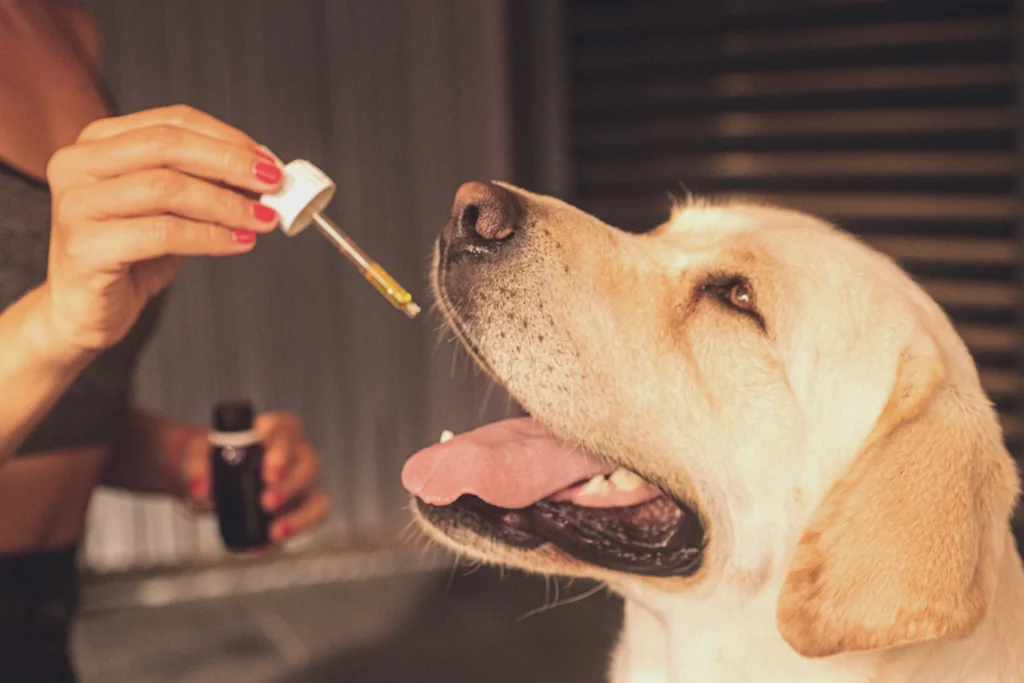
- CBD Oil or Tinctures: These are absorbed quickly and allow precise control over dosage. They can be dropped directly into the dog’s mouth or mixed with food.
- CBD Treats or Chews: These are more convenient but may take longer to take effect due to digestion.
- Topical CBD: Creams or balms can be applied directly to inflamed joints, though this method is less common.
Consistency is key. Most pet owners report noticeable improvement after several days or weeks of daily use. Keep a journal to track changes in your dog’s behavior, pain levels, and mobility.
Potential Side Effects of CBD in Dogs
CBD is widely regarded as safe for canine use, particularly when administered in appropriate doses and sourced from high-quality, veterinary-formulated products. However, as with any supplement or therapeutic compound, individual dogs may respond differently based on their unique physiology, health status, and existing medications. Although serious adverse effects are rare, some dogs may experience mild and generally temporary side effects, especially during the initial stages of use or if the dosage is too high.
CBD is generally safe for dogs, but some may experience mild side effects, including:
1. Drowsiness
One of the most frequently reported side effects is mild sedation or drowsiness, particularly at higher doses. This occurs because CBD has calming effects on the central nervous system. While this may be beneficial for dogs with anxiety, excessive drowsiness could indicate the need for a lower dose.
2. Dry Mouth
CBD may reduce saliva production in dogs, leading to increased thirst or dry mouth. Pet owners might notice their dog drinking more water than usual or having a sticky mouth. This side effect is typically minor and manageable with adequate hydration.
3. Lowered Blood Pressure
High doses of CBD have the potential to cause a temporary drop in blood pressure. Although this drop is usually minimal, it may result in brief periods of lightheadedness or lethargy. Dogs with existing cardiovascular conditions should be monitored closely under veterinary supervision.
4. Diarrhea
In some cases, especially when introducing CBD suddenly or using doses that exceed recommended levels, gastrointestinal upset such as diarrhea may occur. This is often related to the CBD itself or the carrier oil used in the product. Reducing the dosage or switching to a different formulation can help alleviate this issue.
5. Changes in Appetite
CBD can influence appetite in dogs, either increasing or decreasing it. This effect varies depending on the individual animal and dosage. Pet owners should monitor their dog’s eating habits and report any significant or prolonged changes to their veterinarian.
If side effects occur, reduce the dosage or discontinue use. Always consult your veterinarian before starting your dog on CBD, especially if they are taking other medications.
Also Read: What is CBD and How Does it Benefit Dogs?
When to Avoid CBD
While CBD is generally considered safe for most dogs, there are specific circumstances where its use should be approached with caution or avoided entirely. As with any supplement or therapeutic compound, individual health conditions and physiological differences can affect how a dog responds to CBD. The following are notable situations where veterinary consultation is not just recommended, but essential:
1. Dogs with Liver Issues or on Liver-Metabolized Medications
CBD is metabolized in the liver by the cytochrome P450 enzyme system, the same pathway used by many prescription medications. In dogs with pre-existing liver disease or impaired liver function, introducing CBD can potentially place additional strain on hepatic processes. Moreover, it may alter the way other medications are broken down, either enhancing or diminishing their effectiveness, and in some cases, increasing the risk of adverse effects. Therefore, for dogs taking drugs like anticonvulsants, anti-inflammatories, or immunosuppressants, a veterinarian must carefully assess potential interactions before incorporating CBD into their regimen.
2. Pregnant or Lactating Dogs
There is currently insufficient scientific research on the effects of CBD in pregnant or nursing animals. As a result, most veterinary professionals advise against its use during pregnancy or lactation. The concern is that cannabinoids, including CBD, may influence fetal development or be transmitted through the mother’s milk, potentially affecting the health of nursing puppies. Until more conclusive data is available, it is safest to avoid administering CBD to dogs during these sensitive life stages.
3. Dogs with Known Allergies or Sensitivities to Cannabinoids
Although rare, some dogs may exhibit allergic reactions or heightened sensitivity to cannabinoids or other ingredients found in CBD products (such as carrier oils, flavorings, or preservatives). Symptoms can include itching, gastrointestinal upset, lethargy, or skin irritation. If a dog has previously shown any adverse reactions to cannabis-derived products or unfamiliar supplements, introducing CBD should be done with extreme care and under veterinary supervision, or it may be avoided altogether.
Conclusion
The growing body of evidence, combined with positive anecdotal reports from pet owners, suggests that CBD can indeed offer meaningful relief for dogs suffering from arthritis. Its ability to reduce inflammation, manage chronic pain, and improve mobility makes it a valuable tool in the management of this condition.
However, CBD is not a cure. It should be viewed as part of a comprehensive arthritis care plan that may include weight management, physical therapy, supplements, and prescription medications when necessary. When used responsibly and with veterinary guidance, CBD can enhance your dog’s comfort and overall quality of life.