
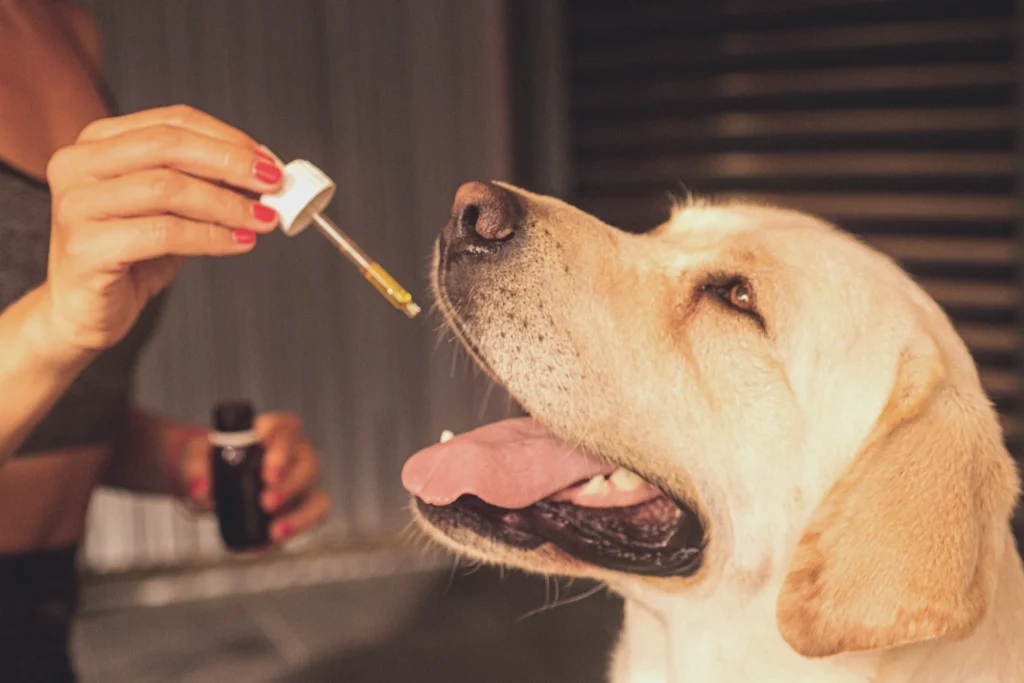
Introduction
Digestive issues are common in dogs, affecting their overall health, behavior, and quality of life. From occasional stomach upset to chronic conditions like inflammatory bowel disease (IBD), gastrointestinal discomfort can be distressing—for both your dog and you. While traditional treatments are available, many pet owners are exploring natural alternatives like CBD to help support digestive health. But how effective is CBD for your dog’s digestive system? Let’s explore the science and real-world applications.
Understanding Your Dog’s Digestive System
A healthy digestive system is fundamental to your dog’s overall well-being. It enables the body to properly break down food, absorb vital nutrients, and eliminate waste efficiently. When your dog’s digestive tract is functioning optimally, they have more energy, a stable mood, a strong immune system, and a healthy coat and skin. However, when digestion is compromised, it can lead to a range of uncomfortable and often distressing symptoms, including:
- Vomiting or diarrhea – sudden changes in stool consistency or frequency can be signs of irritation, infection, or inflammation.
- Constipation – difficulty passing stools may indicate a sluggish gut or dietary imbalance.
- Gas and bloating – excess flatulence or abdominal distension can suggest poor digestion or food intolerance.
- Appetite loss – a dog that suddenly refuses food may be experiencing nausea or internal discomfort.
- Abdominal discomfort – restlessness, whining, or a hunched posture can signal gastrointestinal pain.
- Lethargy – when digestion is impaired, your dog may seem tired, sluggish, or disinterested in activities.
These symptoms can stem from various causes, including food allergies or sensitivities, bacterial or viral infections, parasites, inflammatory bowel conditions, or even emotional stress. For instance, travel, loud noises, or separation anxiety can disrupt gut function through the gut-brain connection.
To restore balance, it’s often necessary to take a holistic approach. This might involve adjusting your dog’s diet, ensuring they receive appropriate veterinary care, and exploring natural supplements that support digestive health. One such supplement gaining attention among pet parents and holistic veterinarians is CBD (cannabidiol). With its anti-inflammatory and calming properties, CBD may serve as a gentle yet effective way to promote gastrointestinal comfort and restore your dog’s digestive balance.
What Is CBD and How Does It Work in Dogs?
CBD (cannabidiol) is a naturally occurring compound derived from the hemp plant, a subspecies of Cannabis sativa. While hemp and marijuana belong to the same plant family, they differ significantly in chemical composition—particularly in levels of THC (tetrahydrocannabinol), the psychoactive compound that produces a “high.” Unlike THC, CBD is non-intoxicating, which means it doesn’t alter your dog’s mental state or behavior. This makes it a safe option for pets when used responsibly.
What makes CBD especially promising for dogs is its interaction with the endocannabinoid system (ECS)—a biological network found in all mammals. The ECS is responsible for regulating a wide range of bodily functions, including immune response, inflammation, appetite, mood, and digestion. It does this through a series of receptors, primarily CB1 receptors located in the brain and nervous system, and CB2 receptors found mostly in the immune and gastrointestinal systems.
When your dog consumes CBD, it doesn’t directly bind to these receptors like THC does. Instead, it modulates receptor activity and helps enhance the function of naturally produced endocannabinoids. This indirect interaction supports the ECS’s role in maintaining balance, or homeostasis, throughout the body. In the context of digestive health, this means CBD may help regulate gut inflammation, improve motility, reduce nausea, and support overall gastrointestinal function—especially when the system is out of sync due to illness, stress, or dietary issues.
Potential Digestive Benefits of CBD for Dogs

1. Reduces Inflammation in the Gut
Inflammation is a common culprit in many digestive disorders. Conditions like IBD or gastritis can lead to chronic discomfort and nutrient malabsorption. CBD has shown anti-inflammatory properties that may help soothe the gastrointestinal tract, potentially reducing symptoms like bloating, cramping, and diarrhea.
2. Supports a Healthy Appetite
Loss of appetite can stem from illness, stress, or digestive upset. CBD may help stimulate appetite by interacting with serotonin and other neurotransmitters involved in hunger cues. This can be especially beneficial for dogs undergoing treatment, recovering from illness, or experiencing anxiety-related eating issues.
3. Helps Relieve Nausea and Vomiting
CBD is known to have antiemetic (anti-nausea) effects. Studies have found that cannabinoids can help reduce vomiting and nausea in both humans and animals by modulating signals in the brain’s vomiting center. For dogs with sensitive stomachs, CBD may help calm their system and prevent frequent vomiting episodes.
4. Eases Stress-Related Digestive Issues
Anxiety can trigger digestive upset in dogs, just as it can in humans. Separation anxiety, travel, vet visits, or loud noises can lead to symptoms like diarrhea or stomach upset. CBD may help by promoting relaxation and reducing anxiety, thereby preventing stress-induced gastrointestinal problems.
5. May Improve Gut Motility and Balance
CBD might influence how food moves through your dog’s digestive tract. It may help regulate motility, meaning it can ease constipation or slow down overly rapid digestion. Additionally, its potential to support the gut’s microbial balance may contribute to overall digestive wellness.
How to Use CBD for Digestive Support
If you’re considering CBD to support your dog’s digestive health, here are some important tips:
1. Choose the Right Product
Look for high-quality, pet-specific CBD oil or treats made from organic hemp, with no artificial additives. Ensure it’s THC-free or contains only trace amounts below 0.3%.
2. Start with a Low Dose
Start with the lowest recommended dose based on your dog’s weight, then gradually increase if needed. Monitor your pet’s response and consult your veterinarian for tailored guidance.
3. Check for Third-Party Lab Testing
Always select brands that provide third-party lab results. This ensures the product contains the stated amount of CBD and is free from harmful contaminants like pesticides, heavy metals, or solvents.
Are There Any Side Effects?
CBD is generally considered safe and well-tolerated by dogs, especially when administered in appropriate doses. However, like any supplement or medication, individual dogs may respond differently. While most pets experience no adverse effects, some may display mild, temporary side effects, particularly when first starting CBD or if given too high a dose.
One of the most commonly reported effects is drowsiness, especially at higher doses. Since CBD has calming properties, it may cause your dog to become more relaxed or sleepy—this can be beneficial for dogs with anxiety, but it might seem like excessive lethargy in others.
Another possible side effect is dry mouth. CBD can decrease saliva production, leading to increased thirst or panting. Be sure your dog has easy access to fresh water when using CBD products.
In some cases, dogs may experience a slight drop in blood pressure, which could cause temporary lightheadedness or unsteadiness. This effect is usually mild and short-lived, but it’s something to watch for, particularly in older or more sensitive dogs.
Lastly, changes in appetite—either an increase or decrease—can occur. This is often a short-term adjustment as your dog’s body adapts to the supplement.
These side effects are typically dose-dependent and tend to resolve on their own as your dog becomes accustomed to CBD. To minimize risks, it’s best to start with a low dose and gradually increase it while monitoring your pet’s response. And, of course, always consult your veterinarian before introducing CBD into your dog’s wellness routine—especially if they are on other medications or have existing health conditions.
These effects are typically dose-dependent and resolve quickly. To minimize risks, always introduce CBD gradually and keep your vet informed.
When to See a Veterinarian
While CBD can be a supportive tool, it should never replace veterinary care for serious or persistent digestive problems. If your dog experiences:
- Chronic vomiting or diarrhea
- Blood in stool or vomit
- Sudden weight loss
- Severe bloating or pain
- Refusal to eat for more than 24 hours
—consult your vet promptly to rule out underlying health conditions.
Also Read: CBD for Dogs with Arthritis: Can It Really Help?
Conclusion
Digestive issues can significantly impact your dog’s quality of life, but CBD offers a natural way to support gut health. From reducing inflammation to easing stress and promoting appetite, CBD may help restore comfort and balance to your dog’s digestive system.
As with any supplement, quality, consistency, and veterinary guidance are key. If you’re exploring natural options to support your dog’s well-being, CBD could be a gentle, effective addition to their wellness routine.